


Views: 0 Author: Site Editor Publish Time: 2026-02-07 Origin: Site


Did you know that aluminum is used in everything from airplanes to food packaging? Despite its widespread use, many don’t know exactly how aluminum behaves under heat.
In this article, we will explore the melting point of aluminum and its alloys, why it's important, and how it impacts manufacturing and industrial applications. You’ll learn how the melting point influences aluminum’s performance across various industries.
The melting point of pure aluminum is 660.32°C (1220.58°F) under standard atmospheric conditions. This is the temperature at which aluminum transitions from a solid to a liquid, marking a sharp and well-defined phase change. Pure aluminum's relatively low melting point is one of the reasons it is favored for applications requiring lightweight and efficient materials. In industrial settings, this temperature is crucial because it helps determine the conditions needed for casting, welding, and other manufacturing processes. The melting point plays a key role in the design and control of aluminum production processes, ensuring proper flow and mold filling when aluminum is cast into various forms. Additionally, understanding this temperature is vital when designing equipment to handle aluminum without causing damage or unnecessary wear.
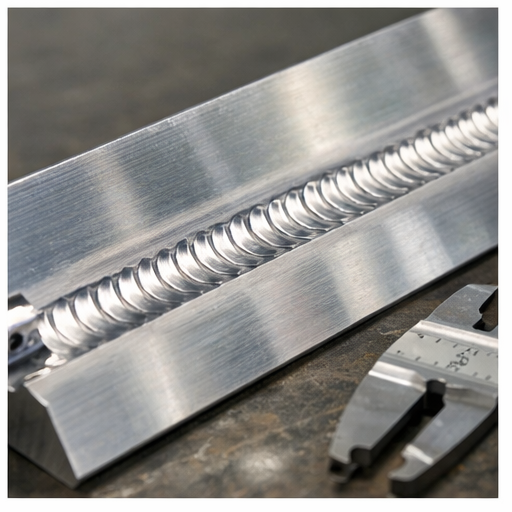
When dealing with aluminum alloys, the melting process is more complex due to the presence of alloying elements such as silicon, copper, and magnesium. The terms solidus and liquidus describe the temperatures at different stages of the melting process. The solidus temperature is the point at which an alloy begins to melt, but it is still partly solid, while the liquidus temperature is the point at which the alloy is fully liquid. In contrast to pure aluminum, which melts sharply at 660.32°C, alloys exhibit a melting range between the solidus and liquidus temperatures. For example, in an alloy like 6061 aluminum, the solidus may be around 582°C, while the liquidus could be closer to 650°C. This range varies depending on the alloy composition, making it essential to understand the solidus and liquidus points for each alloy used in specific manufacturing processes. Alloys tend to have a wider melting range due to the way alloying elements interact within the material, leading to more gradual transitions from solid to liquid.
Alloying elements such as silicon, copper, magnesium, and zinc play a significant role in modifying aluminum’s melting point. When these elements are added to pure aluminum, they form alloys that have different melting characteristics compared to pure aluminum’s sharp melting point of 660.32°C (1220.58°F). The process of alloying generally results in melting point depression, meaning that the presence of alloying elements tends to lower the temperature at which the alloy begins to melt. For example, adding silicon to aluminum lowers its melting point, making it more suitable for casting applications where fluidity and low pouring temperatures are essential. Similarly, magnesium can also lower the solidus temperature, influencing the alloy’s behavior during processes like welding and heat treatment. Understanding how these elements affect aluminum is crucial in selecting the right alloy for specific industrial applications, ensuring that the material performs optimally under different conditions.
Aluminum alloys exhibit varying melting point ranges depending on their specific composition. For example, 6061 aluminum, a commonly used alloy in structural applications, has a melting point range between 582°C (1080°F) and 650°C (1202°F). This range makes it suitable for a wide variety of applications, including Industrial Aluminum Profiles used in manufacturing machinery and transportation equipment, where precise control over melting behavior is critical. Another notable alloy is 7075 aluminum, which is commonly used in aerospace applications. It has a melting point range of 475°C (887°F) to 635°C (1175°F), offering a balance of strength and workability in demanding conditions. For applications like Aluminum Curtain Wall systems, which require both strength and corrosion resistance, alloys such as 2024 aluminum, with a melting point range of 502°C (936°F) to 642°C (1188°F), are often used due to their enhanced mechanical properties and higher resistance to stress. Each alloy's melting range is a critical factor when determining the appropriate processing techniques, ensuring that the material maintains its structural integrity while meeting the specific requirements of the end-use application.
The key difference between pure aluminum and aluminum alloys is the melting range. Pure aluminum has a single, defined melting point of 660.32°C (1220.58°F), while alloys exhibit a range from the solidus temperature (partially melted) to the liquidus temperature (fully liquid). Here’s a comparison:
Material | Melting Point | Solidus | Liquidus | Application |
Pure Aluminum | 660.32°C (1220.58°F) | N/A | N/A | Standard melting point for pure aluminum |
5052 Aluminum | 580-650°C (1076-1202°F) | 575°C (1067°F) | 645°C (1193°F) | Common for welding and marine environments |
A356 Aluminum | 585-645°C (1085-1193°F) | 580°C (1076°F) | 640°C (1184°F) | Widely used in casting and automotive parts |
Alloying elements added to aluminum, such as silicon, copper, and magnesium, result in these gradual transitions from solid to liquid. The gradual melting range, compared to the sharp melting point of pure aluminum, influences the alloy’s behavior during manufacturing processes like casting and welding.
Aluminum alloys have unique melting points based on their composition, making them suitable for a variety of applications. Below are common alloys, their melting ranges, and typical uses:
Alloy | Melting Range | Solidus Temperature | Liquidus Temperature | Applications |
6061 Aluminum | 582°C - 650°C (1080°F - 1202°F) | 582°C (1080°F) | 650°C (1202°F) | Widely used in structural components for aerospace, automotive, and architectural applications |
7075 Aluminum | 475°C - 635°C (887°F - 1175°F) | 475°C (887°F) | 635°C (1175°F) | Aerospace industry, military applications, and high-strength structural components |
2024 Aluminum | 502°C - 642°C (936°F - 1188°F) | 502°C (936°F) | 642°C (1188°F) | Aircraft and marine applications, high-strength alloys used for their fatigue resistance |
5052 Aluminum | 575°C - 645°C (1067°F - 1193°F) | 575°C (1067°F) | 645°C (1193°F) | Marine environments, weldable alloys for general manufacturing needs |
Each alloy’s melting range is crucial for selecting the right material for specific industrial needs. For example, 6061 aluminum is commonly chosen for its excellent weldability and strength, making it ideal for industrial aluminum profiles used in machinery and transportation equipment. 7075 aluminum, on the other hand, is known for its strength, often being used in high-performance applications like aerospace components. Aluminum Radiators, which are used in automotive or HVAC systems, often use 2024 aluminum for its high strength-to-weight ratio and fatigue resistance.
The solidus and liquidus temperatures are significantly impacted by the alloy's composition. These temperatures define the range at which the alloy is partially solid (solidus) and fully liquid (liquidus). Here's how specific elements affect these temperatures:
● Silicon: Lowers the melting point and broadens the melting range, making alloys more fluid for casting.
● Magnesium: Increases the strength of the alloy but slightly reduces its melting range.
● Copper: A higher copper content can raise the melting temperature, making the alloy suitable for high-temperature applications.
● Zinc: Similar to copper, zinc raises the melting point, especially in alloys like 7075 aluminum.
Here’s how the composition impacts solidus and liquidus in some of the common alloys:
The solidus and liquidus temperatures are essential when processing aluminum alloys, particularly in casting and welding, as they determine the temperature range within which the material behaves predictably. These temperatures ensure that the right temperature control is maintained during the manufacturing process to avoid defects like cold shuts or hot tears. Understanding how alloy composition affects these temperatures helps in selecting the right aluminum alloy for specific applications, whether for aluminum curtain wall systems or industrial aluminum profiles in machinery.
In a controlled laboratory environment, precise measurements of aluminum’s melting point are typically carried out using Differential Scanning Calorimetry (DSC). This technique involves heating a small sample of aluminum and measuring the amount of heat required to raise the temperature of the sample. The DSC method allows for accurate detection of the exact temperature at which the aluminum transitions from solid to liquid. By analyzing the heat flow during the phase change, researchers can determine the melting point with high precision. This method is particularly useful for understanding the thermal behavior of pure aluminum and various alloys under controlled conditions, providing critical data for both material scientists and engineers working with aluminum in high-performance applications.
In addition to DSC, Thermal Gravimetric Analysis (TGA) is sometimes used to complement DSC. TGA measures the change in mass of a material as it is heated, which helps identify the onset of melting and any decomposition that may occur at elevated temperatures. These laboratory techniques are essential for quality control and research, allowing manufacturers to understand and fine-tune the properties of aluminum before large-scale production.
In industrial settings, measuring aluminum’s melting behavior is crucial for manufacturing processes such as casting, extrusion, and welding. One of the most common methods used in foundries and manufacturing plants is thermocouples, which are temperature sensors that measure the temperature at various points in the aluminum during heating. Thermocouples are inserted into the molten aluminum or attached to molds to monitor the melting process, ensuring that the temperature remains within the optimal range to prevent defects in the finished product.
Pyrometry is another widely used method, which involves measuring the temperature of aluminum through infrared radiation. Unlike thermocouples, pyrometers do not need to make physical contact with the material, making them ideal for measuring the temperature of molten aluminum in situations where contact would be impractical or damaging. This non-contact method is often used in the production of Aluminum Profiles and Aluminum Radiators, where precise temperature control is required to maintain the material's integrity and ensure consistent quality.
Both thermocouples and pyrometry are crucial for industrial processes, where small variations in temperature can significantly affect the properties of aluminum products, particularly in applications like Aluminum Profiles for Windows and Doors or Aluminum Radiators. By accurately measuring the temperature at different stages of the process, manufacturers can optimize efficiency, minimize waste, and produce aluminum products that meet the exacting standards required for a wide range of industries.
Aluminum, though known for its low melting point of 660.32°C (1220.58°F), is widely used in high-temperature environments, especially in industries like automotive and aerospace. However, the material’s relatively low melting point poses challenges in applications where extreme temperatures are common. To mitigate this, aluminum is often alloyed with other metals such as copper, magnesium, and zinc. These alloying elements help increase the temperature resistance of aluminum, allowing it to perform more effectively under stress in high-heat applications.
In the automotive industry, aluminum alloys like 6061 aluminum are frequently used in engine components, frames, and wheels due to their lightweight properties and ability to withstand moderate heat. Similarly, in aerospace, high-performance alloys like 7075 aluminum are chosen for aircraft fuselages and wing structures, where the material must endure high temperatures generated during flight, while maintaining strength and structural integrity. The addition of elements such as zinc and copper to these alloys helps improve their heat tolerance, making them suitable for such demanding conditions. However, it's important to note that despite these advancements, aluminum’s performance in extremely high-heat environments is still limited compared to other materials like titanium or steel.
In the aerospace industry, aluminum alloys play a crucial role due to their balance of strength, lightness, and resistance to heat. Alloys like 7075 aluminum, known for their exceptional strength-to-weight ratio, are widely used in aerospace applications, particularly in aircraft structures and components. Despite its strength, 7075 aluminum faces challenges when exposed to elevated temperatures, especially near its liquidus temperature, which is around 635°C (1175°F). Prolonged exposure to temperatures approaching the melting point can weaken the material and compromise its structural integrity.
To counteract these challenges, aerospace engineers rely on a combination of alloying and heat treatment processes to ensure 7075 aluminum and other alloys maintain their strength at higher temperatures. For example, 7075 aluminum is often used in heat-treated forms, which increase its resistance to high temperatures and improve its performance under stress. The careful management of aluminum’s melting point, along with the use of advanced alloying techniques, allows for the continued use of aluminum in critical aerospace components, balancing the need for lightness with the ability to withstand the high-heat conditions found in flight.
The melting point of aluminum is significantly lower than metals like steel, copper, and titanium. This characteristic influences how each metal is used in various industries. Below is a comparison of their melting points and how they affect manufacturing and material selection:
Metal | Melting Point | Key Characteristic | Manufacturing Consideration |
Aluminum | 660.32°C (1220.58°F) | Low energy requirement during manufacturing | Ideal for cost-effective, high-volume production |
Steel | 1370-1510°C (2500-2750°F) | High strength and durability, but requires more energy | Used for heavy-duty applications needing high strength |
Copper | 1084.62°C (1984.32°F) | Excellent electrical and thermal conductivity | Ideal for electrical and heat transfer applications |
Titanium | 1668°C (3034°F) | High strength-to-weight ratio, good for extreme environments | Used in aerospace, medical, and high-performance applications |
Aluminum’s lower melting point means that it requires less energy to melt and shape, which is a key advantage in industries that need to keep production costs low, such as automotive and aerospace. However, for applications demanding high strength and resistance to high temperatures, like steel or titanium, these metals are preferred despite their higher melting points.
Aluminum’s low melting point results in distinct advantages and challenges in the manufacturing process. It solidifies faster than metals with higher melting points, reducing cooling times and energy consumption. This is particularly beneficial in large-scale production. Let’s compare how aluminum and other metals perform in manufacturing:
The lower melting point of aluminum means it can be processed more efficiently, which is one reason why 6061 aluminum is commonly used in automotive manufacturing and aircraft construction. In contrast, steel, copper, and titanium require specialized equipment and more energy for processing, making them better suited for applications where higher strength and heat resistance are paramount.
In summary, aluminum excels in applications where energy-efficient manufacturing and faster processing times are critical, while metals like steel and titanium are favored when strength and high-temperature resistance are the main priorities.
The melting point of pure aluminum is 660.32°C (1220.58°F), with alloying elements affecting its behavior. Understanding this is crucial for industrial processes like casting and welding. Managing the melting point ensures aluminum performs optimally in construction, automotive, aerospace, and electronics. Foshan Newsky Aluminum Co., Ltd. offers a range of high-quality aluminum profiles that provide excellent performance, helping industries optimize production and reduce costs.
A: The melting point of aluminum is 660.32°C (1220.58°F). It is crucial in manufacturing as it affects processes like casting, welding, and alloying, influencing material strength and production efficiency.
A: Alloying elements such as silicon and magnesium lower the melting point of aluminum alloys. This allows for easier processing and improved performance in applications like automotive and aerospace components.
A: Aluminum’s low melting point reduces energy consumption and processing time, making it cost-effective for high-volume manufacturing in industries like construction, automotive, and electronics.
A: Aluminum alloys with lower melting points are suitable for applications with moderate heat exposure, but higher-performance alloys may be required for extreme conditions like those in aerospace or high-performance automotive applications.
