


Views: 0 Author: Site Editor Publish Time: 2025-11-20 Origin: Site


When it comes to selecting the right radiator for your cooling system, two materials often come up: aluminum and steel. Both aluminum radiators and steel radiators are widely used in various industries, including automotive, HVAC, electronics, and machinery. However, deciding which one is better depends on several factors such as heat dissipation, durability, weight, cost, and maintenance.
In this article, we will compare aluminum radiators with steel radiators, discussing the benefits and drawbacks of each. By the end of this guide, you'll be better equipped to choose the right radiator for your specific needs.
One of the standout features of aluminum radiators is their lightweight nature. Aluminum is much lighter than steel, making it easier to handle during installation or transportation. For industries like automotive and electronics, where space and weight are crucial factors, this lightweight characteristic becomes a significant advantage.
Reduced Weight for Handling and Shipping: Aluminum radiators are much easier to move and install, reducing handling costs and time.
Better for Space-Constrained Applications: Due to their lightness, aluminum radiators are often used in applications where weight is a critical factor, such as in vehicles or portable systems.
Aluminum has one of the highest thermal conductivities of any metal. This means that aluminum radiators can dissipate heat more efficiently than their steel counterparts. This property is essential in cooling applications, where fast heat dissipation is crucial to maintaining system efficiency.
Faster Heat Dissipation: Aluminum radiators are excellent at transferring heat away from high-heat areas, ensuring systems cool faster.
More Efficient Cooling: This efficiency results in reduced energy consumption and better overall performance of the machinery or vehicle.
Aluminum naturally forms a protective oxide layer when exposed to air, making it highly resistant to rust and corrosion. This is particularly beneficial in environments where the radiator may be exposed to moisture or chemicals, such as in HVAC systems, marine equipment, or outdoor machinery.
Natural Oxide Layer: Aluminum forms a thin oxide layer that protects it from further corrosion, extending the lifespan of the radiator.
No Need for Additional Coatings: Unlike steel, which requires special coatings to prevent rust, aluminum radiators are naturally resistant to corrosion.
While aluminum radiators are lighter and more corrosion-resistant, they are generally not as strong or impact-resistant as steel. However, modern aluminum alloys like 6061-T6 and 6063-T5 are designed to provide superior strength without compromising on weight.
Adequate for Most Applications: Aluminum radiators are durable enough for most automotive, electronic, and industrial uses.
Prone to Dents: Despite their strength, aluminum is softer than steel and can be more easily dented or scratched if exposed to physical stress.
Aluminum is easier to mold and extrude into various shapes and sizes, making it highly versatile for different designs. Manufacturers can customize aluminum radiators to meet specific size and shape requirements more easily than steel.
Customization: Aluminum can be molded into intricate designs, allowing manufacturers to create more efficient and aesthetically pleasing products.
Cost-Effective Production: Aluminum radiators can be manufactured more easily and at a lower cost than steel radiators, which often require more complex processes.
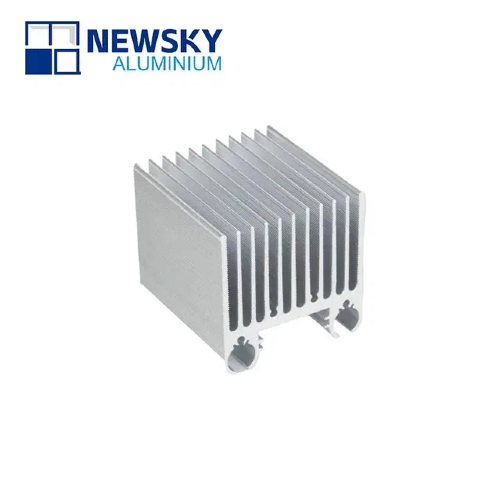
Steel radiators are significantly heavier than aluminum radiators. While this can be a disadvantage in applications where weight is critical, steel's additional weight can also provide a sense of robustness and durability. For systems where durability and strength under heavy use are important, steel radiators might be the better choice.
Enhanced Durability: Steel's weight adds structural integrity, making it less prone to damage from external forces.
Better for Heavy-Duty Use: Steel radiators are ideal for applications in harsh environments where the radiator might be subjected to physical impact.
While steel is a good conductor of heat, it doesn't dissipate heat as efficiently as aluminum. This slower heat dissipation can lead to less efficient cooling performance in high-demand systems.
Slower Cooling Time: Steel radiators take longer to release heat compared to aluminum, which can lead to overheating in certain applications.
Reduced Efficiency: In systems where rapid cooling is needed, steel radiators may not provide optimal performance.
Steel is highly susceptible to rust when exposed to moisture or chemicals unless it is treated with protective coatings. Unlike aluminum, steel needs additional layers of protection, such as galvanization or powder coating, to prevent corrosion.
Requires Coatings: Steel radiators need to be coated or treated to prevent rusting, which adds to the cost of production and maintenance.
Rust in Harsh Environments: Steel radiators are prone to rust in humid or chemical-heavy environments, reducing their lifespan.
Steel radiators are generally much stronger than aluminum. This makes them more resistant to physical damage, such as dents, scratches, and punctures. For applications where the radiator might be exposed to rough handling or impacts, steel radiators are a better choice.
Impact Resistance: Steel radiators are less likely to dent or crack under pressure.
Longer Lifespan in Harsh Conditions: Steel radiators can withstand extreme conditions better, making them ideal for heavy-duty industrial use.
Steel is cheaper to produce than aluminum, making steel radiators more affordable upfront. For applications where cost is a primary concern, steel radiators are a more economical option.
Lower Initial Cost: Steel radiators are generally less expensive to produce than aluminum radiators, making them a budget-friendly option.
Long-Term Costs: While steel radiators have a lower initial cost, they may require more frequent maintenance due to corrosion and slower heat dissipation.
To help you decide which type of radiator is best for your needs, here’s a quick comparison between aluminum and steel radiators:
Property | Aluminum Radiator | Steel Radiator |
Weight | Lightweight, easy to handle and install | Heavier, more challenging to transport |
Heat Dissipation | Excellent heat conductivity, quick cooling | Slower heat dissipation |
Corrosion Resistance | Highly resistant to rust and corrosion | Prone to rust without protective coating |
Durability | Adequate durability, but prone to dents | More robust, resistant to impacts |
Cost | Higher initial cost | Lower upfront cost |
Aluminum radiators are best for applications that require high heat dissipation and where weight is a critical factor. Some industries where aluminum radiators shine include:
Automotive: Aluminum radiators are commonly used in vehicles due to their lightweight and efficient heat dissipation properties.
Electronics: In devices such as computers and power supplies, aluminum radiators are used for effective cooling.
HVAC Systems: Aluminum’s resistance to corrosion makes it ideal for HVAC applications where radiators are exposed to moisture.
Steel radiators are better suited for heavy-duty applications where strength and durability are the primary concerns. Consider steel radiators for:
Industrial Machinery: Steel’s robustness makes it ideal for use in machines or equipment exposed to harsh conditions.
Commercial Heating Systems: Steel radiators are often used in large-scale heating systems where cost-effectiveness and durability are essential.
Marine Applications: Steel can withstand rough conditions, including exposure to saltwater (with proper coating).
Choosing between an aluminum radiator and a steel radiator ultimately depends on the specific needs of your application. Aluminum radiators are known for their superior heat dissipation, excellent corrosion resistance, and lightweight design, making them an ideal choice for industries like automotive, electronics, and HVAC systems. They offer efficient cooling and are easier to handle, making them a top choice for applications requiring both performance and portability.
On the other hand, steel radiators excel in durability and impact resistance. Their sturdier construction makes them well-suited for heavy-duty and industrial environments where strength and long-lasting performance are essential. While they may be heavier and more prone to corrosion, their robust nature is ideal for systems exposed to rough conditions.
When deciding, consider factors such as cost, performance, environmental conditions, and how much maintenance you're prepared to handle. For industries seeking high-performance aluminum solutions, Foshan Newsky Aluminum Co., Ltd. offers a range of top-quality aluminum radiators designed to meet the highest standards. Their expert team can assist you in selecting the perfect solution tailored to your specific needs. Reach out today to learn more and ensure optimal performance for your systems.
Are aluminum radiators better for heat dissipation than steel radiators?
Yes, aluminum radiators dissipate heat much faster than steel, making them more efficient for cooling systems.
Why are aluminum radiators more expensive than steel radiators?
Aluminum is a more expensive material, and the manufacturing process for aluminum radiators involves more intricate techniques.
Can steel radiators rust?
Yes, steel radiators are prone to rust unless treated with coatings, which can add to the maintenance costs.
Are aluminum radiators more durable than steel radiators?
While aluminum radiators are durable, steel radiators are more resistant to physical damage and impacts.
Which radiator is better for automotive use?
Aluminum radiators are typically better for automotive applications due to their lightweight nature and efficient cooling.
