


Views: 0 Author: Site Editor Publish Time: 2026-02-10 Origin: Site


Have you ever wondered if that crumpled sheet of aluminum foil is recyclable? While it's commonly used in kitchens worldwide, many people toss it in the trash without realizing its true potential.
In this article, we'll explore the recyclability of aluminum foil, why it’s often overlooked, and how recycling it can benefit the environment. You’ll learn how to properly clean and prepare foil for recycling, making a significant impact on sustainability.
Aluminum foil is created from a thin sheet of aluminum metal, which comes from the aluminum ore known as bauxite. The extraction process, called electrolysis, breaks down aluminum oxide into pure aluminum metal. Once processed, the metal is rolled into thin sheets, creating the familiar foil used in homes and industries.
Here’s how it works:
● Bauxite is mined and refined into aluminum oxide.
● Aluminum oxide is subjected to electrolysis to produce pure aluminum metal.
● The aluminum is then rolled into thin sheets to create aluminum foil.
The material is about 99.5% pure aluminum, which is why it’s so lightweight and flexible. It serves as an effective barrier against light, air, moisture, and bacteria, making it perfect for food storage.
Aluminum’s Role as a Recyclable Material
● Infinite recyclability: Aluminum can be recycled indefinitely without losing its properties, including aluminum foil.
● Energy savings: Recycling aluminum saves up to 95% of the energy needed to produce new aluminum from raw materials.
● Sustainability: Aluminum foil is a valuable material for the circular economy, contributing to reduced waste and resource conservation.
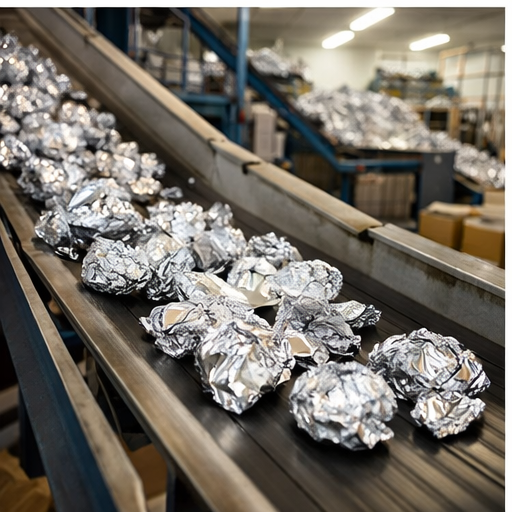
Yes, aluminum foil is recyclable, but its condition is crucial. Clean aluminum foil can be recycled effectively, but contamination with food, grease, or oil prevents it from being processed properly. Here's a simple guide to making sure your aluminum foil is recyclable:
● Clean foil: Rinse off any food residue or grease.
● Scrap foil: If the foil is heavily soiled, it’s better to dispose of it as regular waste.
1. Rinse: Quickly wash off food or grease.
2. Dry: Allow the foil to dry to avoid introducing moisture to the recycling stream.
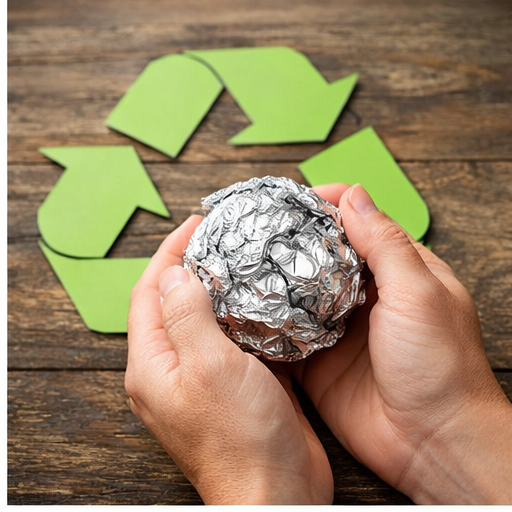
3. Scrunch: Roll the foil into a ball (at least 2–3 inches in diameter). Small pieces are more likely to get lost or cause issues at sorting facilities.
Some areas do not accept aluminum foil in curbside recycling programs due to contamination concerns, but clean foil can still be dropped off at designated recycling centers.
Aluminum foil and aluminum cans are both recyclable, but there are important differences in how they are processed:
Feature | Aluminum Foil | Aluminum Cans |
Common Use | Food storage, packaging, cooking | Beverage containers |
Contamination Concerns | Often contaminated with food, grease, and oils | Typically clean, unless used for non-beverages |
Recyclability | Can be recycled if clean, requires special handling | Easily recycled, widely accepted curbside |
Recycling Process | Needs to be clean and free of residue | Clean cans are straightforward to recycle |
Recycling Value | High, but less convenient to process | High, simple processing |
While aluminum cans are typically clean and accepted by most curbside recycling programs, aluminum foil often requires additional effort to ensure it’s suitable for recycling. The main issue lies in contamination. Aluminum foil, unlike aluminum cans, is usually used for food packaging, which leads to residue that can disrupt the recycling process.
Why the Difference?
● Aluminum cans are manufactured for a specific purpose, often containing only liquid, and are easy to clean before recycling.
● Aluminum foil, however, is in direct contact with food and can quickly become contaminated, making its recycling more difficult.
One of the primary challenges in recycling aluminum foil is contamination. Unlike aluminum cans, which are often used for beverages and typically come in a clean state, aluminum foil is mostly used in direct contact with food. This means it often carries food residue, oils, grease, and other contaminants. These substances make it more difficult for recycling facilities to process the foil properly.
Contaminated aluminum foil can introduce impurities into the recycling stream, which can lower the quality of the recycled material. In many cases, when aluminum foil is heavily soiled, it becomes unsuitable for recycling altogether, resulting in it being discarded instead of being repurposed. The recycling process requires clean materials, and any food residue left on the foil can disrupt the procedures at sorting facilities, causing delays or leading to entire batches being rejected.
The impact of contamination on the aluminum foil recycling stream is significant. Recycling centers use advanced machinery to sort materials based on their type and composition. Aluminum foil, however, is often lightweight and can easily be mixed with other materials, such as plastics or paper. If the foil is dirty, these impurities can interfere with the sorting process, causing the aluminum to be contaminated during the melting stage.
When aluminum foil is contaminated with food waste, the grease or oils can create toxic emissions when heated, potentially affecting the quality of the recycled product. Additionally, the contaminants can cause clogging or jamming in the machinery, slowing down the recycling process and potentially damaging equipment. In some cases, recycling facilities may simply reject aluminum foil that isn’t properly cleaned, leading to unnecessary waste and lost recycling opportunities.
To ensure aluminum foil is recyclable, cleanliness is crucial. Recycling facilities require aluminum foil to be free of food residues or contaminants to maintain the efficiency of the recycling process. Fortunately, cleaning aluminum foil is relatively simple, and a quick rinse is often enough to remove most contaminants.
Here are some effective ways to clean aluminum foil before recycling:
● Rinse with water: Simply washing the foil under running water can often remove most food particles.
● Scrape off stuck food: For tougher residue, use a spatula or a cloth to remove any stuck food.
● Dry it off: Ensure the foil is dry before placing it in the recycling bin to avoid moisture-related issues during processing.
By ensuring that aluminum foil is clean before disposal, individuals contribute to the smooth operation of the recycling system and help maximize the environmental benefits of recycling. If the foil is too soiled to be cleaned effectively, it’s better to discard it in regular waste to avoid contaminating other recyclables.
Recycling aluminum foil saves an extraordinary amount of energy compared to producing new aluminum from raw materials. In fact, it is estimated that recycling aluminum uses 95% less energy than creating new aluminum from bauxite ore. This is because the process of mining, refining, and processing bauxite into aluminum is highly energy-intensive, while recycling aluminum requires far less energy.
To put this into perspective, recycling one ton of aluminum foil can save around 14,000 kWh of energy, which is enough to power an average U.S. home for an entire year. By recycling aluminum foil instead of sending it to a landfill, we significantly reduce energy consumption and reduce the demand for energy generated from fossil fuels, contributing to a cleaner, more sustainable future.
Recycling aluminum foil not only saves energy but also significantly reduces the carbon footprint associated with producing new aluminum. Manufacturing aluminum from raw materials is responsible for a substantial amount of greenhouse gas emissions, particularly carbon dioxide (CO2). When aluminum is recycled, the process releases far fewer emissions, making recycling a crucial step in combating climate change.
For example, producing one ton of new aluminum generates around 9–10 tons of CO2, while recycling the same amount of aluminum foil only emits around 0.5 tons of CO2. This dramatic difference highlights the importance of recycling aluminum foil to mitigate the harmful effects of greenhouse gas emissions and slow down the impact of climate change. By reducing the carbon footprint of aluminum production, we can help lower global warming potential and protect the environment for future generations.
Recycling aluminum foil also plays a critical role in conserving natural resources, particularly bauxite ore, which is the primary raw material used to create new aluminum. Mining bauxite causes significant environmental damage, including deforestation, habitat destruction, and water contamination. By recycling aluminum foil, we reduce the need for new mining operations, thereby helping to preserve natural habitats and biodiversity.
Additionally, recycling aluminum reduces the energy and water usage required for bauxite extraction and processing. The more aluminum foil that is recycled, the less pressure there is on the earth's finite resources. The recycling process helps ensure that aluminum remains in the production cycle rather than being lost to landfills, contributing to the creation of a more sustainable circular economy.
Through recycling, aluminum foil can be repurposed into new aluminum products, which helps to minimize the demand for virgin aluminum and reduces the strain on natural ecosystems. This reduction in resource extraction and ecological impact underscores the environmental benefits of recycling aluminum foil.
Cleaning aluminum foil is an essential step before recycling it. If the foil is contaminated with food residue or grease, it can cause issues during the recycling process. Here’s a simple guide to ensure your aluminum foil is properly cleaned:
1. Rinse under water: A quick rinse under running water is often enough to remove most food particles and grease.
2. Use a scrubber for stuck-on food: For stubborn residue, use a dish sponge or cloth to scrub off any remaining food.
3. Dry the foil: Once cleaned, dry the aluminum foil to prevent moisture from affecting the recycling process.
In most cases, aluminum foil can be reused for non-food purposes, so if cleaning isn’t possible, consider reusing it before recycling.
The scrunch test is an easy and effective way to check whether aluminum foil is recyclable. Here’s why it works:
● Recyclable foil: After scrunching aluminum foil into a ball, if it stays scrunched, it’s likely to be real aluminum and can be recycled.
● Non-recyclable foil: If the foil springs back into its original shape, it is likely a plastic-coated or mixed-material product (such as foil-lined packaging) and cannot be recycled with aluminum.
By performing the scrunch test, you ensure that only real aluminum foil goes into the recycling bin, helping improve the efficiency of the recycling process.
When recycling aluminum foil, there are a few common mistakes people make that can disrupt the process. Here’s how to avoid them:
● Mixing with plastic: Ensure that aluminum foil isn’t mixed with plastic or other materials, as these can contaminate the aluminum recycling stream.
● Recycling dirty foil: If aluminum foil has food residue that cannot be easily cleaned, avoid placing it in the recycling bin, as it will likely be rejected.
● Not scrunching foil: Small, flat pieces of aluminum foil can get lost during the sorting process. Always scrunch the foil into a ball (at least 2–3 inches in diameter).
By following these tips, you can avoid common mistakes and ensure your aluminum foil is properly recycled.
If aluminum foil is too contaminated with food or grease, it may not be suitable for recycling. Here are some alternatives and creative ways to reuse it:
● Reuse the foil: If cleaning isn’t an option, consider reusing the aluminum foil in the kitchen for non-food tasks, such as lining trays or organizing items.
● Repurpose for cleaning: Aluminum foil is great for scrubbing grills, pots, and pans, as well as polishing silverware.
● Discard if needed: If the foil is too dirty and cannot be reused, discard it in regular trash to prevent contamination of other recyclables.
These alternatives help extend the life of aluminum foil and reduce waste before it reaches the recycling or trash bin.
Aluminum foil is recyclable, but it must be clean to be processed effectively. Recycling aluminum foil helps save energy, reduces carbon emissions, and conserves resources. Properly cleaning the foil and following local recycling guidelines plays a crucial role in minimizing environmental impact. Foshan Newsky Aluminum Co., Ltd. offers high-quality aluminum products, providing sustainable solutions with its customizable aluminum profiles and deep processing services, ensuring efficiency and value for customers in various industries.
A: Yes, aluminum foil is recyclable in industrial settings, provided it is clean and free of contaminants like food residue. Clean aluminum foil can be processed alongside other aluminum products, saving energy and reducing waste.
A: Aluminum foil must be free of grease, oils, or food particles for efficient recycling. Contaminated foil can disrupt the recycling process, causing delays and inefficiencies in operations.
A: Recycling aluminum foil reduces the need for raw material extraction, lowering production costs. It also saves up to 95% of the energy compared to producing new aluminum, making it a cost-effective and sustainable option for industries.
A: The main limitation is contamination. Aluminum foil that is not properly cleaned can be rejected by recycling facilities, leading to operational delays or waste, making cleanliness a critical factor in recycling efforts.
