


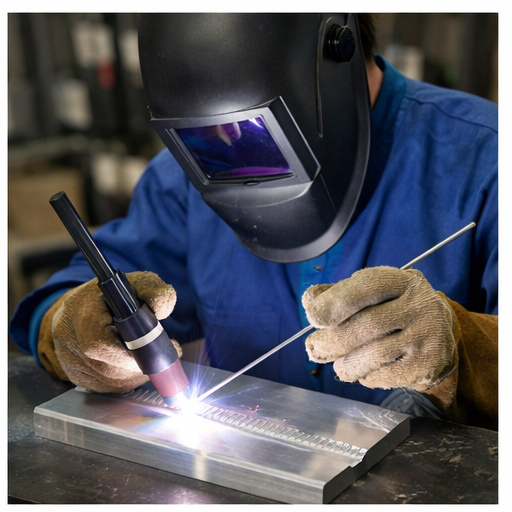
Welding aluminum can be a challenging process due to its unique properties. From its low melting point to the strong oxide layer, understanding how to properly weld aluminum is crucial for achieving high-quality results.
In this article, we will explore the key techniques, common issues, and equipment necessary for welding aluminum. You’ll learn practical tips to ensure a durable and strong weld, whether you're working on industrial projects or DIY tasks.
Aluminum is a highly versatile material that is well-regarded for its lightweight, non-magnetic, and corrosion-resistant properties. This makes it ideal for various applications in industries like construction, automotive, and aerospace. One notable feature of aluminum is its low density, which contributes to its widespread use in reducing the weight of products like Aluminium Profiles For Windows And Doors and Aluminum Curtain Walls. These products are not only light but also provide strength and durability, which are critical in maintaining the structural integrity of building facades and window systems.
Moreover, aluminum’s resistance to corrosion is another significant property, particularly in environments prone to moisture. It naturally forms an oxide layer when exposed to air, providing an effective barrier against environmental damage. This is one of the reasons why aluminum is extensively used in construction and industrial applications. For example, Aluminum Curtain Walls are known for their aesthetic appeal as well as their long-lasting durability in both residential and commercial buildings.
Welding aluminum presents unique challenges, primarily due to the nature of its oxide layer. Aluminum’s oxide layer has a melting point of approximately 2,050°C (3,722°F), while the aluminum itself melts at around 660°C (1,220°F). This significant difference in melting points makes it difficult to initiate the welding process, as the oxide layer must first be removed or "cracked" before the base metal can melt and form a proper weld pool. The presence of this oxide layer requires extra attention during welding, especially when using methods like TIG or MIG welding.
In addition to the oxide layer, aluminum’s high thermal conductivity can make the metal behave like a large heat sink. As a result, it absorbs and dissipates heat rapidly, which can lead to difficulties in maintaining proper heat control during welding. This is particularly important when welding materials such as Aluminum Radiators or when using Aluminum Deep Processing, where precise temperature management is essential for ensuring high-quality welds and avoiding issues such as warping or burn-through.
These challenges highlight the need for specialized techniques and equipment when welding aluminum. Companies like Foshan Newsky Aluminum offer a range of aluminum products, including Aluminum Radiators, that are designed with properties that support better weldability. Their ability to provide strong and durable aluminum alloys makes them ideal for demanding applications where high-quality welds are required.
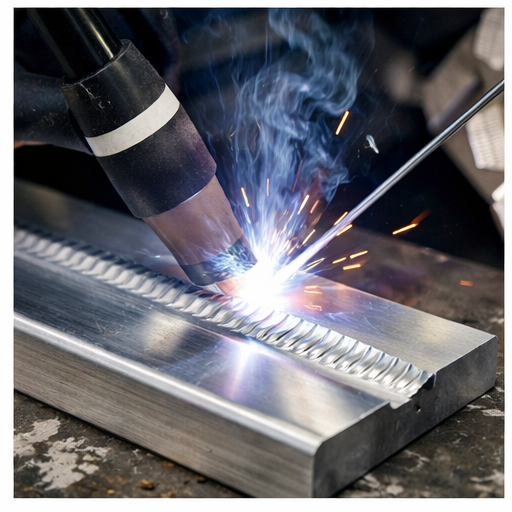
Cleaning aluminum before welding is crucial to ensure the strength and durability of the weld. Aluminum naturally forms a protective oxide layer when exposed to air, which has a much higher melting point than the base metal itself. This oxide layer can interfere with the weld process, leading to weak joints and defects like porosity. To achieve a strong, clean weld, it is essential to remove this oxide layer and any other contaminants such as oils, dust, or grease.
Techniques for cleaning aluminum include wire brushing with a stainless steel brush, using acetone or isopropyl alcohol to remove oils, and ensuring that the surface is free from any debris. For products like Aluminum Curtain Rail, which require high-quality welds for structural integrity, proper cleaning is especially important. Ensuring that the aluminum is free from contaminants will help prevent weak welds and improve the overall welding process.
Preheating aluminum is sometimes necessary to improve weld quality, particularly when working with thicker aluminum sections like Industrial Aluminum Profiles. Aluminum’s high thermal conductivity means that it absorbs and dissipates heat quickly, which can result in issues like warping, cracking, or poor fusion if the weld is applied too quickly. Preheating the material allows for better heat control, ensuring that the weld pool forms properly and reduces the likelihood of stress and cracking.
The recommended preheating temperature for aluminum typically ranges between 150°F to 400°F (65°C to 200°C), depending on the material thickness and alloy. For thicker sections, preheating can help minimize the risk of distortion and ensure a more consistent and high-quality weld. Careful attention to temperature is crucial, as overheating can lead to other issues, such as burning the material. Preheating is particularly useful when working with Aluminum Radiators or any aluminum component that requires precision and strength in its welds.
TIG (Tungsten Inert Gas) welding is often the best choice for welding aluminum due to its precision and ability to handle thin aluminum sections. This method is particularly ideal for products like Aluminium Profiles For Windows And Doors, where accuracy is critical. TIG welding provides excellent control over the heat, allowing welders to achieve clean, high-quality welds, especially in intricate designs. One of the key advantages of TIG welding is its ability to clean the oxide layer using alternating current (AC), which ensures a clean, strong bond between the aluminum parts. This ability to break through the oxide layer significantly improves the quality of the weld and reduces the risk of porosity, a common issue when welding aluminum.
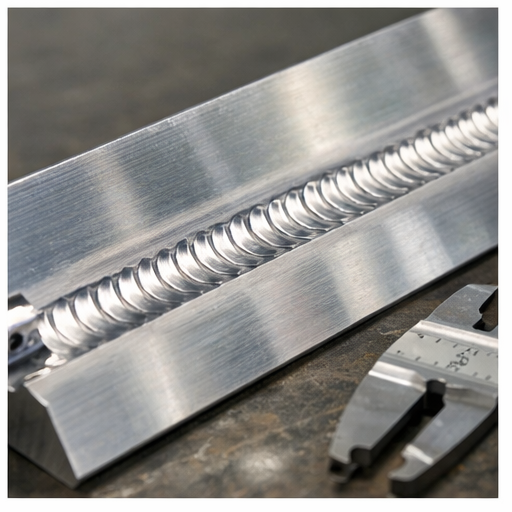
MIG (Metal Inert Gas) welding is a fast and efficient method for joining thicker aluminum sections. It’s ideal for applications like Aluminum Curtain Wall and Industrial Aluminum Profiles, where large, robust welds are required. MIG welding is highly effective for projects that involve high production rates, as it is quicker than TIG welding and allows for longer weld beads without the need for constant stops. However, MIG welding can present challenges, such as wire feeding issues and the need for proper shielding gas to avoid contamination. Adjusting MIG settings, such as voltage, wire speed, and shielding gas, is essential to ensure a smooth, strong weld that meets quality standards.
Selecting between TIG and MIG welding depends largely on the specific requirements of your project. TIG welding is preferred for applications where precision is key, such as welding thin sections of aluminum like Aluminium Profiles For Windows And Doors. It provides better control over heat input and is ideal for clean, detailed welds. On the other hand, MIG welding is typically the go-to choice for thicker aluminum sections, such as those used in Aluminum Curtain Wall and Industrial Aluminum Profiles, where speed and efficiency are essential. For larger-scale projects, such as structural applications, MIG welding can save time while still delivering a strong, durable joint. Foshan Newsky Aluminum offers a variety of aluminum products that can benefit from both welding methods, ensuring high-quality results regardless of the technique used.
Cost is an important factor when selecting the right welding method. While TIG welding offers precision, it can be more time-consuming and require more expensive equipment and consumables. MIG welding, however, is generally faster and more cost-effective for larger projects, particularly when working with thicker materials. When considering material selection, different aluminum alloys, such as 4043 and 5356, also impact welding costs. Choosing the right filler rod and shielding gas for each alloy can optimize performance and reduce material waste. For instance, Aluminum Deep Processing products from Foshan Newsky Aluminum can be welded using MIG methods for efficient large-scale assembly, while TIG welding would be ideal for finishing or detail work on these products. Understanding these factors allows welders to choose the most cost-effective method while maintaining weld quality.
TIG welding (Tungsten Inert Gas) is widely regarded as one of the best methods for welding aluminum, especially when precision is required. One of the primary techniques used in TIG welding aluminum is the "push" technique, where the torch is pushed away from the weld pool. This technique helps produce a clean and precise weld, especially important for applications like Aluminum Curtain Wall and Aluminium Fence, which require high-quality finishes. Another essential factor in TIG welding aluminum is managing heat effectively. Aluminum’s high thermal conductivity means that it dissipates heat quickly, and improper heat management can cause issues like burn-through or warping. Therefore, using the correct amperage and keeping the torch at the right distance from the workpiece is crucial.
The selection of the right filler rod is also significant. Typically, filler rods such as 4043 or 5356 are used for aluminum. The 4043 rod is well-suited for applications involving aluminum alloys that contain silicon, while 5356 is preferred for its strength and corrosion resistance. Additionally, shielding gas, usually pure argon, is used to prevent oxidation during welding. Proper shielding gas flow is critical to maintain a clean, strong weld, particularly for precision projects like Aluminum Curtain Wall, where visual appearance is essential.
MIG welding (Metal Inert Gas) is a faster and more versatile technique for welding aluminum, especially for thicker sections. However, MIG welding aluminum can present unique challenges, particularly with wire feeding. One common issue is birdnesting, where the welding wire tangles or jams in the feed mechanism. To avoid this, it is important to use the correct wire size and ensure that the wire is fed smoothly through the gun. Ensuring that the wire speed matches the amperage will also help prevent this issue. For aluminum welding, using a soft aluminum wire with a spool gun can significantly reduce feeding problems.
Adjusting the machine settings is another key aspect of MIG welding aluminum. It’s important to fine-tune the voltage and wire feed speed to match the material thickness. For thinner materials, lower voltage and faster wire feed speeds work best, while thicker materials require higher voltage and slower feed speeds. Additionally, gas coverage is critical in MIG welding aluminum. Inadequate shielding gas coverage can lead to porosity, which weakens the weld. Using pure argon or an argon-helium mix can provide better coverage, especially when welding thicker sections or when higher heat input is needed.
After completing an aluminum weld, it is essential to inspect the welds for any defects that could compromise their strength and appearance. Common issues that may arise in aluminum welds include cracks, porosity, or inadequate fusion. Cracks can occur due to thermal stress, while porosity is typically caused by trapped gases. Both can be avoided by controlling heat and ensuring proper shielding gas flow during welding. If defects are found, they can be repaired by grinding out the affected areas and re-welding them with proper technique and heat management.
For applications where appearance matters, such as Aluminum Pergola or Aluminium Curtain Rail, it is especially important to finish the welds properly. This involves smoothing the surface of the weld with a grinder or polishing tool to ensure a smooth, uniform finish. Additionally, anodizing or painting the aluminum after welding can enhance the material’s appearance and improve its corrosion resistance. These post-weld processes are crucial for maintaining the structural integrity and aesthetic appeal of aluminum components, particularly in decorative or high-visibility applications.
After welding aluminum, common defects such as cracking, porosity, and improper fusion can occur. These issues often stem from factors like incorrect heat settings, poor shielding gas coverage, or contamination. Cracking typically results from high thermal stress or improper cooling, especially in thicker sections or intricate joints. To avoid cracks, ensure even heat distribution and slow, controlled cooling. If cracks occur, they can often be repaired by grinding out the affected area and re-welding with proper heat management.
Porosity is another common problem, usually caused by trapped gases during the welding process. This can result from insufficient shielding gas coverage or contamination of the workpiece. Using the correct shielding gas, such as pure argon or an argon-helium mixture, can significantly reduce porosity. To correct this, ensure the weld pool is adequately protected during the entire welding process, and check for proper gas flow and clean materials. Improper fusion, often visible as weak, uneven welds, can be mitigated by controlling the heat input and ensuring proper filler rod and base material compatibility. In challenging projects, such as welding thicker aluminum or intricate joints, adjusting the heat settings and using a backing bar can improve fusion and prevent defects.
Post-weld cleaning is crucial to the durability of aluminum welds. Aluminum reacts quickly with oxygen, forming an oxide layer that can compromise the weld strength over time if not properly cleaned. After welding, remove any excess spatter, slag, or oxide deposits using wire brushes, abrasive pads, or chemical cleaners. Cleaning the surface before applying any finishing treatments ensures that the welds remain strong and resistant to corrosion.
Coating and storage also play essential roles in maintaining the longevity of aluminum welds. Applying anodizing or protective coatings can greatly enhance the corrosion resistance of aluminum. Anodizing creates a durable, corrosion-resistant oxide layer on the surface, which is especially beneficial for aluminum components exposed to harsh weather conditions, such as Aluminum Radiators or Aluminum Fence products. In addition to coatings, proper storage conditions—away from moisture or contaminants—can prevent post-weld degradation.
Foshan Newsky Aluminum ensures the longevity of its products, such as Aluminum Radiators and Aluminum Fence, by adhering to strict quality standards during the manufacturing and finishing processes. The company’s use of high-quality materials, precise manufacturing techniques, and post-weld treatments ensures that their aluminum products retain their strength and aesthetic appeal over time, even in challenging environments.
Mastering aluminum welding is essential for achieving strong, durable, and high-quality welds. Proper techniques, equipment, and troubleshooting are key to success, especially in applications like Aluminum Curtain Walls and Aluminium Profiles For Windows And Doors.
By focusing on precision and using the right materials, such as those provided by Foshan Newsky Aluminum Co., Ltd., welders can ensure long-lasting results. They offer a range of high-quality aluminum products, ideal for welding and building strong, durable structures.
A: TIG welding is often preferred for aluminum due to its precision and ability to handle thin sections, while MIG welding is more efficient for thicker aluminum, offering faster results in industrial applications.
A: Aluminum’s high thermal conductivity and oxide layer make it difficult to weld. Proper heat control and cleaning are crucial to avoid defects like porosity and cracking during the welding process.
A: Shielding gas, typically pure argon, protects the weld from contamination and oxidation. For thicker aluminum, a mixture of argon and helium may be used to improve penetration and heat input.
A: While aluminum welding requires specialized equipment and techniques, it can be cost-effective when considering the material’s lightweight nature and corrosion resistance, reducing maintenance costs over time.
