


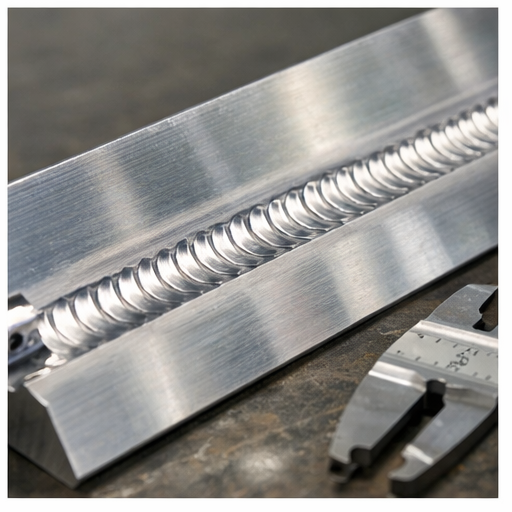
Aluminum is one of the most versatile metals used in everyday products, from aluminum windows to aluminum fences. While durable, it can lose its shine and appearance over time. Polishing aluminum not only restores its beauty but also prevents oxidation and extends its life.
In this article, we will explore the essential steps for polishing aluminum, the best tools and compounds to use, and tips for maintaining its finish. You will learn how to keep aluminum surfaces looking their best, whether you're working with small decorative items or large industrial pieces.
Aluminum is a metal that is highly reactive with oxygen, and over time, it forms a protective layer known as aluminum oxide. While this oxide layer can help prevent further corrosion, it also causes the metal to lose its shine and develop a dull, matte appearance. The process begins when aluminum is exposed to air, moisture, or pollutants. The aluminum oxide layer, while protective, scatters light, reducing the metal's reflective quality and giving it a cloudy look. Without regular polishing, this oxidation layer thickens, making the surface appear even more dull and less appealing.
Aluminum profiles, such as Aluminum Profiles for Windows and Doors and Aluminum Curtain Wall, are commonly used in architectural and construction projects. These products are particularly susceptible to oxidation due to their exposure to outdoor elements like rain, wind, and sunlight. Regular polishing helps maintain the visual appeal and structural integrity of these profiles by removing the oxidized layer and restoring a reflective, smooth finish. Polishing also enhances the aluminum’s resistance to environmental factors, such as moisture, preventing further corrosion. For these products, consistent polishing can preserve the aesthetic value of buildings and extend the lifespan of the aluminum structures.
Oxidation affects aluminum products in different ways, depending on their use and exposure. For instance, industrial aluminum profiles, commonly used in machinery, frames, and supports, may experience reduced strength and durability when oxidation is left untreated. The accumulation of oxidation can lead to surface roughness, which may cause friction or wear during industrial applications. On the other hand, aluminum radiators can suffer from compromised thermal conductivity if the surface oxidizes too much. As oxidation thickens, it interferes with the aluminum's ability to efficiently transfer heat. Regular polishing of both industrial profiles and radiators can restore these critical properties, ensuring optimal performance and longevity.
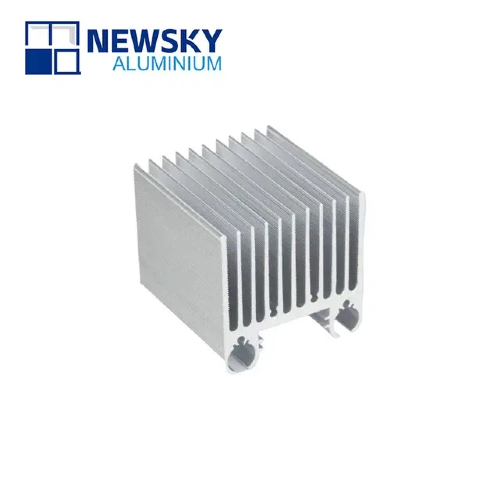
Before you begin polishing aluminum, it's essential to clean the surface thoroughly. Dirt, grease, and corrosion can interfere with the polishing process and leave behind imperfections. Use a mild detergent mixed with warm water to scrub the surface, removing general dirt and grime. For heavier buildup or oxidation, you may need a solution of white vinegar and water, which helps break down light corrosion. Aluminum fence and aluminum pergola surfaces, in particular, benefit from non-abrasive cleaners to preserve their smooth finish. After cleaning, be sure to dry the aluminum thoroughly to prevent water spots and ensure optimal results during the next steps.
Sanding is a crucial step for achieving a smooth, reflective finish on aluminum. Start with a coarser grit, such as 400 or 600, to remove any oxidation or deep scratches. For lighter imperfections, you can use finer grits like 800 to 1200. Aluminum window and door accessories may only require light sanding, while larger pieces, like aluminum profiles, may need more aggressive sanding to smooth out surface imperfections. Sanding Techniques include using wet or dry sandpaper, depending on the type of aluminum. For large projects, machine sanding with an orbital sander or angle grinder is ideal, as it saves time and delivers a more uniform result. Always sand in the direction of the grain to avoid swirl marks and ensure a polished look.
Once your aluminum surface is properly sanded, it's time to move on to polishing. For small aluminum pieces, like aluminum window profiles, use a soft cloth and a small amount of polishing compound, applying it in circular motions. For larger, industrial aluminum products like aluminum rolling shutters or industrial aluminum profiles, machine polishing with an orbital polisher or a rotary buffer is more efficient. Use a polishing compound like Tripoli for cutting, followed by a finer compound like white rouge for a mirror finish. Polishing helps restore the shine of aluminum and remove any lingering sanding marks, leaving behind a smooth, reflective surface.
To achieve the best results, using the right tools is essential. Hand polishing works well for smaller projects, like aluminum door profiles, where control is crucial. For larger aluminum surfaces, such as aluminum curtain rails or aluminum radiators, a machine buffer is the better choice. Power tools like an orbital sander or a rotary buffer can save time and provide a more consistent finish. It's important to choose the right tool based on the size of the aluminum item and the level of polish you want to achieve. Using the proper tool ensures a smooth, even surface without damaging the material.
Tool | Best Use Cases |
Orbital Sander | Ideal for large, flat surfaces such as industrial aluminum profiles or aluminum radiators. |
Rotary Buffer | Best for achieving a high-gloss finish on larger projects like aluminum curtain rails or aluminum rolling shutters. |
Hand Polisher | Suitable for aluminum window profiles or smaller decorative items like aluminum fence parts. |
Microfiber Cloth | Essential for polishing smaller areas and achieving a mirror finish on aluminum pergolas and aluminum profiles. |
Polishing Compounds | Includes compounds like Tripoli for cutting and white rouge for a final, high-gloss finish. |
Angle Grinder | Perfect for rougher, larger aluminum surfaces like aluminum radiators or aluminum window frames. |
After achieving a shiny, polished surface, protecting the aluminum is crucial to prevent oxidation and maintain its appearance. Apply a coat of wax or a metal sealant to create a protective layer. For products like aluminum pergolas and aluminum window frames, protective coatings such as clear coats or specialized metal sealants help safeguard against environmental factors like moisture and UV exposure. These coatings keep aluminum looking pristine for longer, preserving its shine and preventing the buildup of oxidation. Regular maintenance, including reapplying sealant or wax, ensures long-lasting protection for your polished aluminum surfaces.
After polishing aluminum, maintaining its appearance requires minimal effort but regular attention. To keep aluminum surfaces looking their best, it's important to clean them frequently using a mild detergent and a soft cloth. Avoid harsh cleaning agents or abrasive tools that could damage the surface. For products like aluminum fences or aluminum window frames, which may be exposed to outdoor elements, wiping them down with a damp cloth to remove dust and debris can prevent build-up that leads to dullness. For an extra layer of protection, apply a thin layer of wax to help keep the aluminum shiny and reduce the accumulation of dirt or grime.
Aluminum products like aluminum fences and industrial aluminum profiles are often exposed to harsh environmental conditions, including UV rays, rain, and pollution. Regular cleaning is crucial to prevent dirt, corrosion, or discoloration from accumulating. In areas with high humidity or salty air, such as coastal regions, cleaning aluminum more frequently will help prevent oxidation from forming again. Minor touch-ups, such as buffing out any dull patches or oxidation spots, will restore the surface without requiring a full re-polish. This ongoing care can significantly extend the life of aluminum products, especially those used outdoors or in industrial settings.
While regular cleaning is essential, periodic polishing is also necessary to prevent oxidation from becoming too severe. For high-traffic or outdoor items like aluminum fences or aluminum industrial profiles, it's recommended to polish every 6–12 months, depending on exposure to the elements. If aluminum surfaces begin to lose their shine or show signs of oxidation, it’s best to polish them sooner rather than later to prevent further damage. For items used in less harsh conditions, such as indoor aluminum window profiles, polishing once a year may be sufficient. Regular polishing helps maintain the aluminum's reflective qualities and can prevent deeper corrosion from setting in.
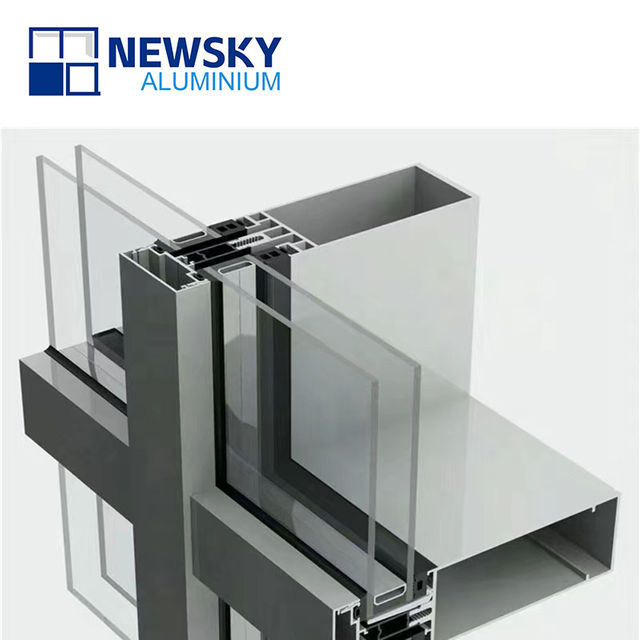
Anodized aluminum has undergone a specific process to create a thick, protective oxide layer that enhances its durability and appearance. This oxide layer also improves corrosion resistance and can provide a matte or glossy finish. Polishing anodized aluminum is not recommended because it can strip away or damage this protective layer, exposing the base aluminum to the elements and reducing its ability to resist corrosion. Additionally, polishing can result in uneven coloring, particularly if the anodized surface is dyed. Therefore, polishing anodized aluminum can compromise its protective properties and aesthetic appeal.
Clear-coated aluminum has been treated with a transparent layer that provides additional protection against oxidation and helps preserve its appearance. To identify clear-coated aluminum, look for a glossy, uniform finish that doesn’t show the raw texture of the metal. A simple way to test if your aluminum is clear-coated is by rubbing a small hidden area with a solvent like acetone. If the coating dissolves, the aluminum is clear-coated. To polish clear-coated aluminum, you must first remove the coating using a paint remover or chemical stripper, as polishing directly on the coated surface can lead to unevenness or damage to the coating. Once the clear coat is removed, the aluminum can be polished effectively.
Some aluminum products should be left unpolished to preserve their structural integrity or specialized finish. For example, aluminum radiators and aluminum industrial profiles may have functional coatings designed to improve heat transfer or resist wear. Polishing these items could interfere with their intended function, especially if the surface treatment is designed to optimize performance, like in heat exchange systems. Similarly, aluminum fences and aluminum window frames with powder-coated or anodized finishes should be left unpolished, as polishing can damage these protective layers, leaving the aluminum vulnerable to corrosion and reducing the lifespan of the product. Always check the finish and purpose of aluminum products before deciding to polish them to avoid compromising their functionality.
One of the most common mistakes when polishing aluminum is over-polishing, which can result in damage to the metal surface. Using too aggressive a compound or applying excessive pressure can cause scratches, burnishing, or thinning of the aluminum. This is especially true when using compounds meant for other metals, as they may be too abrasive for aluminum. It’s important to use the right polishing compound for aluminum, such as Tripoli for cutting and white rouge for finishing. Also, avoid over-polishing smaller areas, as it can lead to uneven surfaces. Always test the compound on a small, inconspicuous area before proceeding with the entire surface.
Swirl marks are a frequent issue when polishing aluminum, particularly when working with reflective surfaces like aluminum windows or aluminum rolling shutters. To avoid these unsightly marks, always polish in a consistent motion, preferably along the grain of the metal. Using an orbital sander or a soft, clean microfiber cloth is essential to prevent uneven polishing. Additionally, make sure the polishing pad is free of dirt or debris, as these can scratch the surface. When polishing larger aluminum products, it’s best to work in smaller sections to ensure even coverage and to check frequently for any inconsistencies in the finish.
During sanding and polishing, several issues may arise, such as discoloration, uneven surfaces, or buildup of compound residue. If discoloration occurs, it could indicate the use of the wrong grit or compound. In this case, sanding with a finer grit and re-polishing with a correct aluminum compound can help restore the finish. Uneven surfaces may be due to inconsistent sanding or pressure during polishing. To resolve this, ensure that you apply even pressure and use the appropriate tools for the size and type of the aluminum product. Buildup of polishing compound is also common, especially if excessive compound is used. To fix this, wipe the surface frequently with a clean microfiber cloth to remove any excess polish before it hardens. Always ensure that you follow the correct procedure and check the surface regularly for consistency throughout the process.
Polishing aluminum regularly is essential to preserve its appearance and functionality. By using the right tools and techniques, you can maintain aluminum surfaces such as aluminum profiles and aluminum radiators for long-lasting shine. Foshan Newsky Aluminum Co., Ltd. offers high-quality aluminum profiles with customizable features, providing value through durable, corrosion-resistant products that meet diverse industry needs. Their expertise ensures top-notch products that maintain both aesthetic appeal and structural integrity.
A: Polishing aluminum improves its surface finish, enhances corrosion resistance, and maintains aesthetic quality. For aluminum profiles and aluminum radiators, regular polishing ensures long-term performance and reduces maintenance costs.
A: Aluminum should be polished every 6-12 months, depending on exposure to harsh conditions. Regular polishing prevents oxidation and keeps aluminum surfaces like industrial aluminum profiles in optimal working condition.
A: For large aluminum products like aluminum rolling shutters, a rotary buffer or orbital sander is preferred. Smaller items, like aluminum door profiles, can be polished with hand tools and microfiber cloths.
A: Yes, polishing can improve the heat transfer and durability of aluminum components, such as aluminum radiators, enhancing operational efficiency by maintaining smooth, corrosion-free surfaces.
