


Views: 0 Author: Site Editor Publish Time: 2025-11-22 Origin: Site


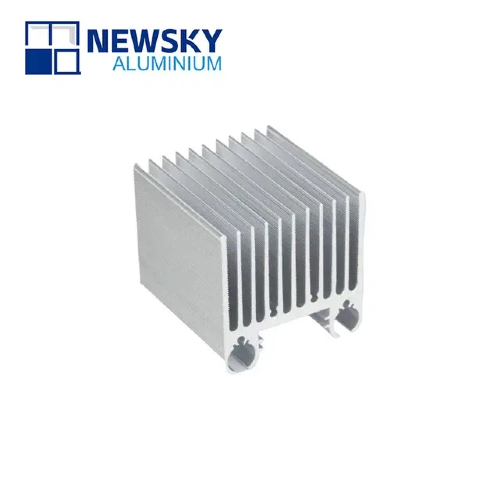
Choosing the right type of radiator for your cooling system is crucial for performance and longevity. Aluminum radiators have become a popular choice in various industries, including automotive, electronics, HVAC systems, and industrial machinery. Understanding how long an aluminum radiator will last can help you make an informed decision when selecting the right system for your needs.
In this article, we will explore the factors that influence the lifespan of aluminum radiators, how long they typically last in different applications, and what you can do to extend their life. Whether you're using an aluminum radiator in your car, cooling system, or industrial equipment, proper maintenance and care can significantly impact its longevity.
The quality of the aluminum alloy used to manufacture the radiator is one of the primary factors that determine its lifespan. High-quality aluminum alloys, such as 6061-T6 or 6063-T5, offer superior strength, corrosion resistance, and durability. These alloys are commonly used in high-performance applications like automotive cooling systems and industrial heat exchangers.
Superior Alloys: High-quality aluminum alloys have better heat resistance and are less likely to corrode over time.
Corrosion Resistance: Aluminum naturally forms an oxide layer that protects it from corrosion, but using alloys with enhanced corrosion resistance increases the radiator's durability even further.
Strength and Stiffness: High-quality alloys are designed to withstand the pressures and stresses typically encountered in high-performance environments, such as racing or heavy machinery.
The environment in which an aluminum radiator operates plays a significant role in determining its lifespan. Aluminum radiators are highly resistant to corrosion, but exposure to extreme temperatures, moisture, or chemicals can shorten their life if not properly maintained.
Temperature Extremes: Exposure to very high or low temperatures can cause thermal cycling, which can weaken the aluminum over time.
Humidity and Moisture: While aluminum is corrosion-resistant, prolonged exposure to moisture, especially in saltwater or high-humidity environments, can still cause gradual degradation if proper protective measures are not in place.
Chemical Exposure: Aluminum radiators used in industrial applications are often exposed to corrosive chemicals. Over time, these chemicals can erode the surface of the radiator unless appropriate coatings or inhibitors are applied.
Regular maintenance is crucial for extending the lifespan of your aluminum radiator. Over time, buildup of debris, dirt, or coolant can reduce the radiator's cooling efficiency and lead to clogging or corrosion. Proper care can prevent these issues and ensure your radiator continues to function optimally.
Regular Cleaning: Periodically clean the radiator to remove dirt, dust, and debris that can clog the fins or block airflow. Use compressed air or a soft brush to clean the exterior.
Coolant Maintenance: Regularly check the coolant level and replace it according to the manufacturer's recommendations. Old or contaminated coolant can cause corrosion or scale buildup inside the radiator.
Inspection: Perform regular visual inspections for leaks, cracks, or visible corrosion. Catching small issues early can prevent bigger problems later.
Flushing: Flush the cooling system periodically to remove any buildup of mineral deposits or rust that could clog the radiator.
The way an aluminum radiator is used can greatly impact its longevity. Radiators used in heavy-duty applications, such as high-performance automotive engines or industrial machinery, may experience more wear and tear than those used in residential heating or electronics.
High-Performance Use: Aluminum radiators used in racing cars or heavy-duty machinery are often exposed to extreme conditions that can shorten their lifespan. These applications require regular maintenance and sometimes early replacement due to high operating temperatures and constant use.
Residential and Commercial Use: Radiators used in HVAC systems or residential heating typically last much longer because they operate under more stable conditions and are not exposed to the same level of stress.
Industrial Applications: Aluminum radiators used in factories or industrial cooling systems can have a longer lifespan with proper care, although exposure to chemicals or physical damage may reduce their durability.
Aluminum radiators are a common choice in automotive applications due to their lightweight nature and superior heat dissipation capabilities. Depending on usage and maintenance, aluminum radiators in cars typically last between 8 and 12 years. In high-performance vehicles or racing cars, the radiator may need to be replaced sooner due to the extreme temperatures and constant use.
Climate: Radiators in areas with extreme temperatures (hot or cold) may wear out faster.
Maintenance: Regular flushing of the radiator and replacement of coolant can significantly extend its lifespan.
Driving Conditions: High-stress driving, such as frequent high-speed driving or off-road use, can accelerate wear and tear on the radiator.
Aluminum radiators are often used in electronic cooling systems, such as computers, power supplies, and industrial heat exchangers. The lifespan of these radiators can range from 10 to 15 years, depending on the environment in which they are used. Proper ventilation, cooling fluid management, and routine inspections can ensure that these radiators last as long as possible.
Thermal Cycling: Electronic systems are often subject to frequent on-off cycles, which can cause thermal stress on the radiator.
Dust and Debris: In dusty environments, debris can clog the radiator fins and reduce cooling efficiency. Regular cleaning is essential for preventing this.
Coolant Quality: The quality of the coolant used in electronic cooling systems affects the performance and longevity of aluminum radiators.
Aluminum radiators used in HVAC systems or industrial machinery tend to have the longest lifespan, often lasting between 15 and 20 years. These systems are generally subject to less extreme conditions compared to automotive or high-performance industrial applications.
Operating Environment: HVAC systems in homes or commercial buildings often experience steady operating temperatures, which helps extend the radiator’s life.
Airflow and Maintenance: Maintaining proper airflow around the radiator and performing regular inspections and cleaning will help ensure the radiator lasts for decades.
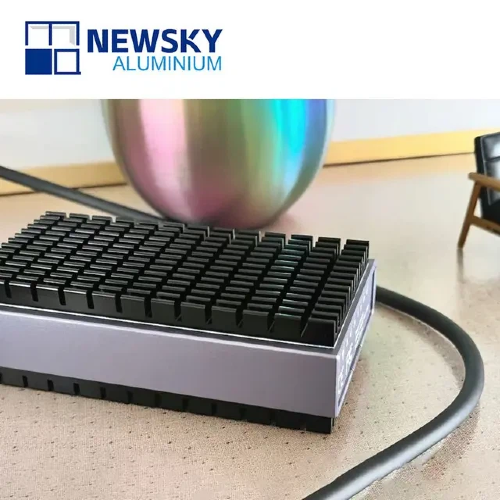
Over time, even the best-maintained aluminum radiators may begin to show signs of wear. Knowing when to replace your radiator can save you from further damage to the system it supports. Here are some common signs that indicate it's time to replace your aluminum radiator:
Leaking radiators are often caused by physical damage, corrosion, or fatigue. A small crack can quickly worsen, leading to coolant loss and overheating. If you notice coolant pooling around the radiator or your system’s performance has dropped, inspect the radiator for cracks or leaks.
If the radiator is no longer dissipating heat effectively, it may struggle to maintain optimal operating temperatures, leading to overheating and system failure. This can be due to clogged fins, internal blockages, or corrosion within the radiator.
While aluminum is naturally resistant to corrosion, prolonged exposure to harsh conditions can cause pitting or surface degradation. If you notice visible signs of corrosion or excessive rusting on the surface, it's an indication that the radiator's protective layer has been compromised.
If your radiator frequently requires repairs or maintenance, it may be a sign that it's nearing the end of its lifespan. Continuous issues like clogged channels, leaks, or inconsistent performance suggest that replacing the radiator could be more cost-effective than ongoing repairs.
Regular maintenance is key to ensuring your aluminum radiator lasts as long as possible. Scheduled inspections and cleaning will keep the radiator functioning efficiently and reduce the risk of damage.
Flush the System: Flush the coolant system regularly to prevent buildup and corrosion.
Inspect for Leaks: Regularly check for leaks or cracks that could lead to system failure.
Aluminum radiators are naturally corrosion-resistant, but exposure to harsh conditions can still cause wear. Applying corrosion inhibitors or protective coatings can significantly extend the life of the radiator.
Use Anti-Corrosion Additives: These additives help prevent internal rust and scale buildup.
Apply Protective Coatings: In some cases, applying an additional protective coating to the radiator’s surface can prevent corrosion.
Ensure the radiator is installed correctly and used according to the manufacturer’s guidelines. Overloading the radiator or exposing it to extreme conditions can shorten its lifespan.
The quality of coolant you use is crucial for maintaining the efficiency and lifespan of your aluminum radiator. Poor-quality coolant can cause corrosion or scale buildup inside the radiator, reducing its heat dissipation performance.
The lifespan of an aluminum radiator largely depends on factors such as material quality, environmental conditions, usage, and maintenance practices. On average, these radiators can last anywhere from 8 to 20 years, depending on how they're used. Proper care and regular maintenance play a significant role in extending their lifespan and ensuring they continue to function effectively.
By keeping up with routine cleaning, inspecting for leaks, and using high-quality coolant, you can maximize the durability and efficiency of your aluminum radiator. Whether used in automotive, electronic, or industrial systems, the performance of your radiator will depend on how well it's maintained and the conditions in which it operates.
If you're looking for high-quality, durable aluminum radiators designed for maximum performance, Foshan Newsky Aluminum Co., Ltd. offers a range of top-notch products tailored to meet various industrial and automotive needs. Their expertise in producing high-quality aluminum radiators ensures optimal performance and longevity. Reach out to their team to discuss your requirements and find the ideal solution for your system.
How long can I expect an aluminum radiator to last?
Aluminum radiators typically last between 8 and 20 years, depending on the application and maintenance.
What factors affect the lifespan of an aluminum radiator?
Material quality, environmental conditions, usage, and regular maintenance all influence how long your radiator will last.
Can an aluminum radiator be repaired or does it need to be replaced?
Minor issues like leaks or dents can often be repaired, but significant damage may require replacement.
How can I maintain my aluminum radiator to ensure it lasts longer?
Regular cleaning, flushing the system, preventing corrosion, and using high-quality coolant can all help extend the life of your aluminum radiator.
Are aluminum radiators better than steel in terms of lifespan?
Aluminum radiators generally last longer because they resist corrosion more effectively than steel radiators, though their lifespan depends on the application and maintenance.
