


Is aluminum really immune to rust? While it's known for its durability, the question of whether aluminum rusts still arises. Unlike iron, aluminum doesn’t rust in the traditional sense. This article explores why aluminum doesn’t rust, its corrosion mechanisms, and how it behaves in various environments.
Rust refers specifically to the corrosion of iron and its alloys, primarily iron oxide. It forms when iron reacts with moisture and oxygen in the air, undergoing an oxidation process. This chemical reaction produces a reddish-brown flaky substance known as rust. As rust forms, it weakens the underlying metal, which can further corrode and deteriorate if not managed. This process is common in iron, steel, and other ferrous metals, which are prone to rusting when exposed to environmental factors like rain, humidity, and oxygen.
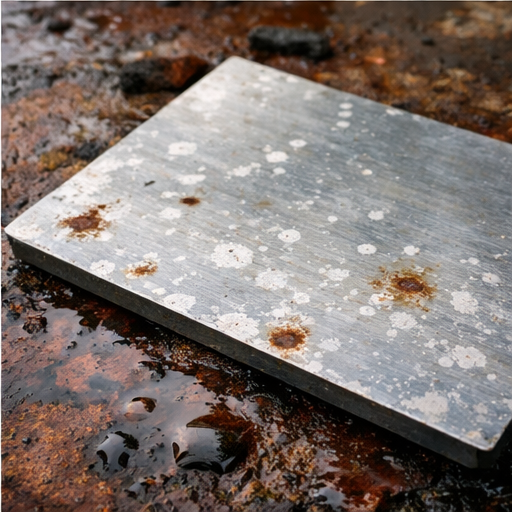
When aluminum profiles, such as those used in windows and doors, are exposed to oxygen, they quickly form a thin protective layer known as aluminum oxide (Al₂O₃). This oxide layer is significantly different from rust. Unlike the flaky iron oxide produced during rusting, aluminum oxide is tightly bonded to the surface of the metal. It acts as a durable, protective shield that prevents further oxidation or corrosion of the aluminum beneath. This thin oxide layer, though colorless and often invisible, plays a critical role in preserving the metal from the damaging effects of moisture and oxygen. Moreover, aluminum's oxide layer is self-healing—if scratched or damaged, the exposed aluminum reacts with oxygen to form a new layer, maintaining the protective barrier. This makes aluminum far more resistant to corrosion than iron or steel, even in harsh environmental conditions.
The key reason aluminum resists rust naturally is the formation of an aluminum oxide (Al₂O₃) layer that forms almost immediately when the metal is exposed to air. This oxide layer acts as a protective shield that prevents moisture, oxygen, and other environmental factors from reaching the underlying aluminum. Unlike rust, which flakes off from iron and exposes new metal to further corrosion, the aluminum oxide layer remains tightly bonded to the surface. This makes it significantly more durable than the corrosion seen in ferrous metals. The oxide layer's thin, yet effective nature, ensures that aluminum remains protected under normal environmental conditions, whether in dry air, humid climates, or even some marine environments.
Another reason why aluminum resists rust is its self-healing properties. If the aluminum oxide layer is scratched or damaged, the underlying aluminum quickly reacts with oxygen to reform the protective oxide layer. This process occurs almost immediately, ensuring that the metal remains shielded from further corrosion. This self-healing capability is especially important in industrial applications, such as Aluminum Profiles for Windows and Doors, where long-term exposure to various elements is common. If the protective layer is compromised, it naturally reestablishes itself, making aluminum much more resilient to corrosion compared to other metals that lack this ability.
While aluminum is highly resistant to rust, it is not completely immune to corrosion. Aluminum can corrode under specific conditions, particularly when exposed to aggressive environmental factors such as saltwater or extreme pH levels. Products like Aluminum Curtain Walls and Aluminum Radiators can be especially vulnerable in environments with high chloride content, such as seawater. The chloride ions can break down the protective oxide layer, leading to localized damage, particularly in the form of pitting corrosion. This is why aluminum used in marine applications or industrial settings must be carefully protected or selected based on the anticipated environmental exposure.
Aluminum corrosion can manifest in several distinct forms, depending on the environment and the presence of certain chemicals.
Pitting corrosion occurs when the aluminum’s oxide layer is compromised, often due to the presence of chloride or other aggressive chemicals. Small, localized pits begin to form on the surface, which can lead to deeper corrosion over time. This type of corrosion is particularly problematic because it is difficult to detect early on and can significantly weaken the metal without obvious external signs.
Galvanic corrosion takes place when aluminum comes into direct contact with a more noble metal, such as copper or stainless steel, in the presence of moisture. In this setup, the aluminum acts as the anode, meaning it will corrode preferentially to protect the more noble metal. This type of corrosion is common in applications where aluminum components are fastened with different types of metal, making it important to ensure proper insulation or protective coatings are used to prevent electrical contact.
Crevice corrosion occurs in areas where oxygen is restricted, such as under gaskets, rivet heads, or overlaps in the metal. In these confined spaces, moisture can become trapped, and the lack of oxygen can accelerate the dissolution of the aluminum. Over time, this localized corrosion can cause significant damage, particularly in areas that are difficult to inspect or maintain.
Corrosion Type | Description | Common Causes | Mitigation Strategies |
Pitting Corrosion | Localized corrosion that forms small pits on aluminum surfaces. | Chloride exposure, acidic environments | Use of protective coatings, anodizing |
Galvanic Corrosion | Occurs when aluminum contacts a more noble metal in the presence of moisture. | Contact with copper or stainless steel | Proper insulation between metals |
Crevice Corrosion | Occurs in confined spaces with restricted oxygen, like under gaskets. | Trapped moisture in gaps or rivet heads | Sealing joints, proper ventilation |
Anodizing is one of the most effective methods to enhance aluminum’s resistance to corrosion. The anodizing process involves creating a thicker aluminum oxide layer on the surface of the metal, which strengthens its natural ability to resist corrosion. For example, Aluminum Pergolas and Aluminum Fences can be anodized to increase durability, making them better suited for outdoor exposure. Additionally, powder coating, painting, and other surface treatments add another layer of protection against aggressive environmental elements. These treatments not only improve corrosion resistance but also enhance the aesthetic appearance of aluminum, providing a long-lasting finish that withstands harsh weather conditions.
Different aluminum alloys offer varying degrees of corrosion resistance, depending on their chemical composition. When selecting alloys for specific applications, it’s important to consider the environment they will be exposed to. For instance, Industrial Aluminum Profiles used in machinery and equipment may require alloys with higher resistance to saltwater or extreme temperatures. Certain alloys, such as those used in Aluminum Radiators, are made from high-strength materials that excel in high-heat environments and maintain their resistance to corrosion even under stress. Choosing the right alloy is essential to ensure that aluminum products perform optimally in their intended applications.
Proper maintenance is crucial for extending the life of aluminum products. Regular cleaning helps prevent the buildup of dirt, moisture, and chemicals that could compromise the protective oxide layer. For products like Aluminum Rolling Shutters, applying a fresh coat of protective coating, such as powder coating, can prevent corrosion and keep the material looking new. Protective coatings not only act as a barrier against environmental damage but also reduce the need for frequent repairs or replacements. Routine maintenance, combined with the right coatings, ensures that aluminum retains its integrity and longevity, even when exposed to challenging environments.
In dry conditions, aluminum maintains its shiny appearance, with minimal corrosion occurring over time. The thin oxide layer that forms on the surface is generally enough to protect the aluminum from environmental damage. However, in humid environments, the oxide layer thickens slightly as the aluminum reacts with moisture in the air. Despite this, the material remains protected, as the oxide layer continues to shield the aluminum from further corrosion. The protective properties of aluminum's oxide layer make it highly resilient in environments where most other metals would suffer significant degradation.
Products like Aluminum Radiators or Aluminum Curtain Rails that are exposed to marine environments or saltwater face an increased risk of corrosion. Saltwater contains high levels of chloride ions, which can compromise the protective oxide layer on aluminum. In these environments, aluminum is more susceptible to pitting corrosion, where small, localized pits form on the surface. The chloride ions effectively break down the oxide layer, allowing the metal beneath to corrode. Therefore, aluminum products used in marine environments must be carefully treated or alloyed with corrosion-resistant materials to ensure long-term durability.
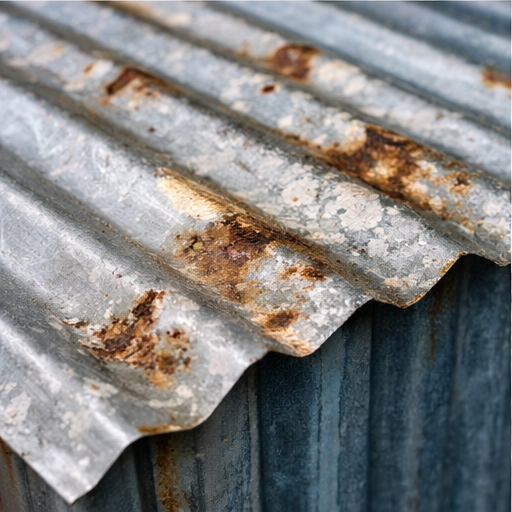
Aluminum’s oxide layer is highly resistant to corrosion in neutral conditions. However, it begins to dissolve in very acidic (pH < 4) or highly alkaline (pH > 9) environments. Such conditions are often encountered in certain industrial applications, such as Aluminum Deep Processing, where aluminum is exposed to harsh chemicals. In these environments, the protective oxide layer cannot regenerate quickly enough, leading to accelerated corrosion. Aluminum products used in such settings must be chosen based on their resistance to these extreme pH levels, or they should be protected with additional coatings or surface treatments to prevent damage.
Aluminum is well-known for its natural resistance to rust and corrosion, thanks to the formation of a protective oxide layer. This makes aluminum highly suitable for outdoor and industrial applications where exposure to moisture and oxygen is common. However, stainless steel often offers superior corrosion resistance, especially in harsh environments such as those with high salinity, extreme temperatures, or exposure to aggressive chemicals. Stainless steel, which contains chromium, forms a protective chromium oxide layer that provides excellent resistance to both rust and other forms of corrosion. While aluminum is less susceptible to corrosion in many environments, stainless steel’s durability and resistance to corrosion make it the better choice in extreme conditions like marine or industrial settings where high levels of chloride or acids are present.
Property | Aluminum | Stainless Steel |
Corrosion Resistance | High in most environments, especially in dry conditions | Excellent, especially in chloride environments |
Strength-to-Weight Ratio | Very high, ideal for weight-sensitive applications | Higher strength, but also heavier |
Cost | Generally lower | Higher due to alloying and material costs |
Applications | Aerospace, automotive, architecture | Chemical, food processing, construction |
Formability | Excellent for shaping and machining | Requires more energy for machining |
When selecting materials for construction or industrial use, it is essential to understand the corrosion resistance of materials like aluminum and stainless steel. For applications where weight reduction is critical, Aluminum Profiles are ideal due to their lightweight nature and strong corrosion resistance. Aluminum’s strength-to-weight ratio makes it an excellent choice for applications in the aerospace, automotive, and construction industries. However, in environments where exposure to harsh chemicals, extreme temperatures, or high corrosion risks are prevalent, stainless steel may be the preferred material. The choice between aluminum and stainless steel depends largely on the specific environmental conditions the material will be exposed to, as well as other factors like strength, cost, and weight considerations.
One common misconception is that aluminum is completely immune to corrosion. While aluminum doesn’t rust like iron, it is still susceptible to corrosion, particularly in harsh environments. The natural oxide layer that forms on aluminum when exposed to oxygen helps protect it from rusting. However, in environments with high chloride levels, such as seawater or industrial settings, the oxide layer can be compromised, leading to forms of corrosion like pitting or galvanic corrosion. It’s important to understand that while aluminum is more corrosion-resistant than many other metals, it is not completely impervious to damage.
Many people believe that the white powder that sometimes appears on the surface of aluminum is harmless, but this is not always the case. This white powder is often a result of the corrosion process, particularly in high-humidity environments or when aluminum is exposed to chemicals. While the powder itself is a natural byproduct of aluminum’s protective oxide layer, it can also be a sign that the material is beginning to corrode. Left untreated, this can lead to further degradation of the aluminum surface. Regular cleaning and proper maintenance can help prevent further corrosion and maintain the aluminum’s integrity.
Not all aluminum alloys have the same level of corrosion resistance. For instance, Aluminum Profiles for Windows and Doors made from the 5xxx series (Al-Mg) alloys are known for their excellent resistance to marine environments, making them ideal for coastal and maritime applications. However, alloys such as the 2xxx and 7xxx series, which are often used for their high strength, are more susceptible to corrosion, especially in environments with high chloride exposure. When choosing aluminum for a specific application, it’s crucial to select the right alloy based on its corrosion resistance properties, ensuring it will perform optimally in the intended environment.
Aluminum does not rust in the traditional sense but can corrode under certain conditions. Understanding the differences between rust and aluminum oxide, as well as the various types of corrosion and protection methods, is essential for selecting the right aluminum material for specific applications. With proper surface treatments and alloy selection, aluminum provides a long-lasting, corrosion-resistant solution for a wide range of industries. Foshan Newsky Aluminum Co., Ltd. offers high-quality aluminum profiles, designed to deliver exceptional durability and performance across various applications.
A: Aluminum does not rust in the traditional sense like iron, but it can corrode under certain industrial conditions, especially in high-chloride or extreme pH environments.
A: The corrosion resistance of aluminum depends on the alloy, the presence of protective coatings, and environmental conditions such as humidity, saltwater, and temperature.
A: Corrosion in aluminum can lead to increased maintenance, replacements, and downtime. Choosing corrosion-resistant alloys and applying protective coatings can minimize these costs.
A: Aluminum forms a protective oxide layer upon exposure to air, which prevents further corrosion and serves as a natural barrier against rust.
A: Some aluminum alloys, like the 5xxx series, offer better resistance to corrosion in marine environments, while others may require additional coatings for enhanced protection.
