


Views: 0 Author: Site Editor Publish Time: 2026-06-02 Origin: Site


Architects, contractors, and procurement managers constantly face a critical challenge. They must balance structural integrity, thermal efficiency, and tight project budgets when selecting building materials. Precise material specifications are absolutely necessary in modern architecture. Without them, you risk severe water ingress, thermal bridging, and costly compliance failures. Poorly specified materials jeopardize both building safety and occupant comfort.
This guide provides a detailed technical breakdown of a premium aluminum window profile. We will explore standard building codes, essential performance benchmarks, and strict procurement evaluation criteria. You will learn exactly how to specify fenestration systems confidently. We provide clear metrics to help you navigate supplier capabilities, quality certifications, and structural limits.
Material Standard: Alloy 6063-T5 is the industry baseline for architectural applications due to its optimal balance of extrusion precision and anodizing receptivity.
Critical Tolerances: Commercial-grade manufacturers should guarantee dimensional tolerances between ±0.1 mm and ±0.3 mm.
Compliance Baseline: Projects must align with CSI Division 08 51 13, IBC 2021, and ASTM B221 standards.
Performance ROI: Incorporating polyamide thermal breaks and proper anodizing thickness (7–23μm) drastically reduces lifecycle maintenance and energy costs.
Choosing the right aluminum extrusion alloy dictates structural limits, aesthetic finishes, and system longevity. We must evaluate these raw materials carefully before reviewing design schematics. The alloy composition determines how well the metal reacts to environmental stress. It also influences how easily the manufacturer can extrude complex thermal break cavities.
Alloy 6063-T5 serves as the universal standard for building aluminum. It offers an ideal surface finish specifically optimized for anodizing. It provides sufficient tensile strength for standard residential and commercial frames. The metal flows smoothly through extrusion dies. This allows manufacturers to create intricate internal webbing. You will find 6063-T5 in most modern curtain walls and sliding window systems.
Alloy 6061-T6 and 6005-T6 serve entirely different engineering purposes. They are strictly required for high-wind-load environments. You need them for high-rise structural glazing. They also support oversized heavy-duty frames carrying massive glass units. These alloys sacrifice a slight degree of surface smoothness to achieve superior yield strength. You must specify them when dealing with hurricane impact zones or massive commercial openings.
Engineers rely on verifiable mechanical characteristics to ensure safety. Standard commercial window profiles must meet specific baseline minimums. We have outlined these mandatory structural thresholds below. Require your vendor to provide material test reports verifying these numbers.
Mechanical Property | Baseline Minimum Threshold | Testing Significance |
|---|---|---|
Tensile Strength | ≥ 157 N/mm² | Determines the maximum stress the material can endure before breaking. |
Non-proportional Extension Strength | ≥ 108 N/mm² | Indicates the yield limit where permanent deformation begins. |
Vickers Hardness (HV) | ≥ 58 | Measures surface resistance to scratching, denting, and mechanical wear. |
Translating raw material capabilities into measurable building outcomes requires strict attention to detail. This process guarantees high energy efficiency and occupant comfort. We evaluate these performance criteria through standardized laboratory testing. The resulting metrics define how well the envelope protects interior spaces.
Thermal efficiency heavily relies on structural U-values. Thermal break technology is no longer optional in modern building codes. Polyamide inserts mechanically separate the interior and exterior metal frames. This decoupling completely stops conductive heat transfer. System U-values should reliably hit 0.9–1.6 W/m²K depending on the specific glazing configuration. You must pair high-quality profiles with low-E argon-filled glass to achieve the lower end of this range.
Weather and structural ratings determine the reliability of the system during severe storms. Air permeability testing measures how much draft passes through the closed seals. You should target Class 4 (600 Pa) per EN 12207 or equivalent AAMA standards. Water tightness testing forces high-pressure water against the frame joints. You must target Class E1050 (1050 Pa) per EN 12208 for high-rise commercial applications. These benchmarks ensure the building envelope remains fully sealed under extreme atmospheric pressure.
Acoustic insulation is equally critical for urban commercial buildings. High-density glass and precision-engineered seals block exterior noise pollution. Expect Rw ratings between 35–45 dB for a premium window frame profile. Achieving 45 dB typically requires specialized acoustic laminated glazing. The internal cavities of the aluminum extrusion must also support heavy acoustic dampers.
Here is a summary chart mapping the key performance indicators for high-end fenestration systems:
Performance Metric | Target Standard | Ideal Project Application |
|---|---|---|
Thermal Insulation (U-Value) | 0.9 – 1.6 W/m²K | Passive houses, green certified buildings, high-efficiency towers. |
Air Permeability | Class 4 (600 Pa) | Coastal properties, high-rise luxury apartments, sterile facilities. |
Water Tightness | Class E1050 (1050 Pa) | Hurricane zones, exposed structural facades, institutional buildings. |
Acoustic Insulation (Rw) | 35 – 45 dB | Airport hotels, urban office spaces, recording studios, hospitals. |
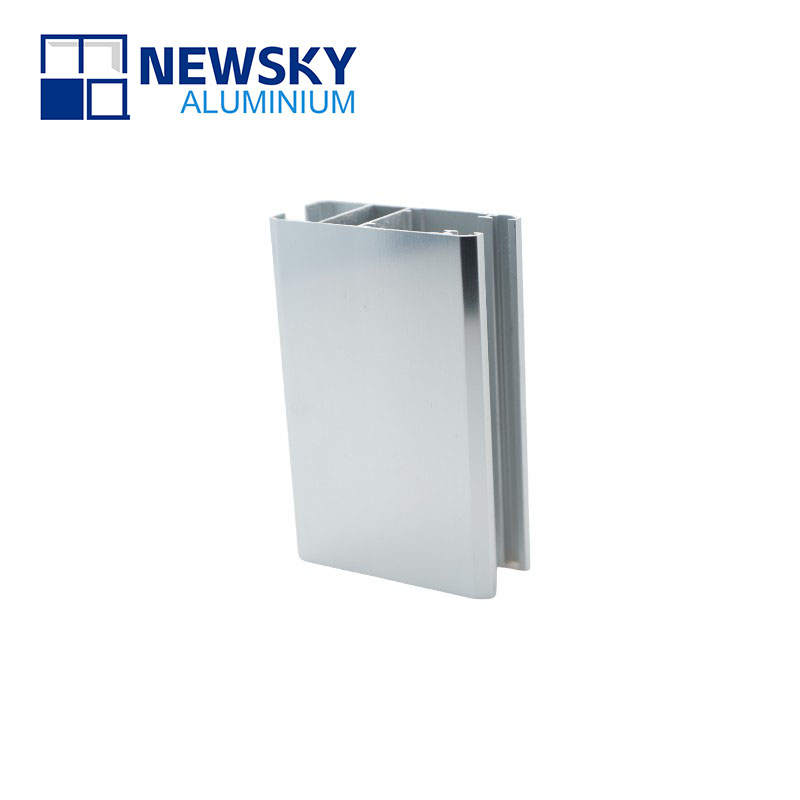
Ensuring your specified anodized aluminum profile meets strict governmental and commercial regulatory standards is crucial. This proactive approach helps you avoid massive project delays. It protects architectural firms from downstream legal liability. Building inspectors aggressively reject non-compliant fenestration components.
Specifying under CSI Division 08 51 13 (Aluminum Windows) establishes standard procurement rules. It guarantees unified bidding across multiple subcontractors. It also creates highly transparent installation expectations. This specific CSI division organizes product data, performance criteria, and submittal requirements into a universally understood framework. It prevents suppliers from swapping premium materials for cheaper alternatives.
Code adherence requires a deep understanding of local and federal mandates. You must verify that the systems meet stringent safety regulations. We recommend the following adherence guidelines:
IBC 2021 Integration: Highlight the specific requirements from IBC 2021 (Section 1404.13) regarding exterior wall configurations. This code strictly governs how aluminum windows integrate into the broader weather-resistant barrier.
DoD Building Codes: For highly stringent projects, mandate concealed 316L stainless steel hardware. You must require these reinforcements to prevent galvanic corrosion between dissimilar metals. Standard steel screws will rust quickly when housed inside aluminum cavities.
ASTM B221 Compliance: Demand documented adherence to ASTM B221 for all base extrusions. This standard dictates the exact chemical composition and mechanical properties of the raw alloy.
Surface Coating Certifications: Require strict compliance with BS EN ISO 7599 (or an equivalent regional standard). This regulates anodic oxidation coating quality. It ensures the protective layer will not peel or fade under UV exposure.
Identifying points of failure early protects maximum project value. You must catch these potential vulnerabilities during the design phase. Waiting until the installation phase usually results in costly tear-outs and severe schedule disruptions. Let us review the most prevalent specification failures and their respective engineering solutions.
Inadequate Wall Thickness:
Risk: Thin profiles lead directly to dangerous frame distortion under wind load. Heavy triple-glazing panels weighing up to 500kg exacerbate this problem. The glass can shatter if the frame bends excessively.
Solution: Specify a strict minimum wall thickness early in the contract. Require ≥1.4mm for inward-opening windows. Mandate ≥1.8mm for outward-opening commercial frames. Demand even thicker profiles for oversized facade spans.
Sub-par Anodizing Thickness:
Risk: Thin surface treatments cause premature pitting and oxidation. Corrosion accelerates rapidly in coastal or high-humidity environments. The exterior color will fade unevenly, ruining the architectural aesthetic.
Solution: Verify the anodic film thickness precisely. It must fall strictly within the 7–23μm architectural range. Request independent lab testing to confirm the micron depth across multiple batch samples.
Poor Sealing and Hardware Integration:
Risk: Sloppy assembly joints create significant air and water leaks. These gaps compromise the entire building envelope. Moisture infiltration leads to interior mold growth and severe structural damage over time.
Solution: Audit the manufacturer’s assembly joints before approval. Compare crimped connections versus screwed connections carefully. Review their corner sealing protocols. Premium manufacturers inject two-part epoxy into the corner cleats to guarantee a watertight seal.
You need a highly structured framework for filtering prospective suppliers. Evaluate them based on their true manufacturing capability, dimensional precision, and overall scalability. This vetting process is absolutely critical for large volume commercial orders. A poorly equipped vendor will bottleneck your entire construction schedule.
Demand documented proof of standard extrusion tolerances. The acceptable deviation range is extremely narrow. Premium commercial profiles must maintain tolerances between ±0.1 mm and ±0.3 mm. Reference BS EN 755-9 when writing your vendor requirements. Tight tolerances ensure that the thermal break inserts and hardware locking mechanisms fit together flawlessly. Large gaps cause drafts, rattles, and mechanical failures.
Assess the vendor’s in-house secondary processing capabilities. High-quality manufacturers do much more than basic extrusion. Look for precision cutting lines and advanced CNC machining centers. Verify their thermal break insertion capacity. Can they roll the polyamide strips securely into the aluminum cavities? Evaluate their custom die creation skills. A vendor possessing an in-house tooling workshop can rapidly prototype custom shapes for unique architectural designs.
A reliable vendor consistently provides comprehensive CSI-formatted submittals. They deliver detailed material test reports (MTRs) for every extrusion batch. They must also supply physical corner mockups prior to full-scale production. These mockups allow the engineering team to physically inspect the miter joints, weather stripping, and hardware integration. Never authorize mass production without testing a physical corner sample.
Delivering a high-performing aluminum window system is the direct result of rigorous alloy selection. You must enforce precise structural tolerances and demand strict building code compliance. A methodical specification process eliminates guesswork and protects the overall integrity of the building envelope.
Do not compromise on minimum wall thickness or premium thermal break integration for initial cost savings. Cutting corners on these fundamental components drastically compromises lifecycle performance. Weak frames and poor insulation will inevitably lead to massive maintenance headaches and energy waste over the building's lifespan.
Contact the engineering team today for project-specific profile recommendations. We can provide custom die consultation and evaluate your specific structural requirements. Request a standard spec sheet to ensure your next commercial or residential project meets the highest industry benchmarks.
A: Thickness requirements generally range from 1.4mm to 3.0mm. Inward-opening windows need a minimum of 1.4mm. Outward-opening commercial systems demand at least 1.8mm. Heavy-duty structural applications utilize profiles exceeding 2.0mm to support large glazing panels securely.
A: Anodizing utilizes an electro-chemical process that integrates the protective oxide layer directly into the metal. This completely prevents peeling or flaking. Powder coating applies a surface layer of paint. While powder coats offer more colors, anodized finishes resist coastal corrosion and scratches far better.
A: Premium architectural manufacturers maintain highly strict dimensional tolerances. These typically fall between ±0.1mm and ±0.3mm. Adhering to standards like BS EN 755-9 ensures precise assembly. Exact tolerances guarantee that thermal breaks and corner joints fit flawlessly together.
A: Yes, they easily support heavy triple-glazing. You must specify heavy-duty alloys like 6061-T6 or reinforced 6063-T5. The hardware and corner joints require specific engineering for high weight. Properly designed commercial frames can safely support glass panels weighing up to 500kg.
